Rep. Paul Gosar Introduces Bill to Delist Wolves from Endangered Species Act Amid Rising Conflicts
~Editor~
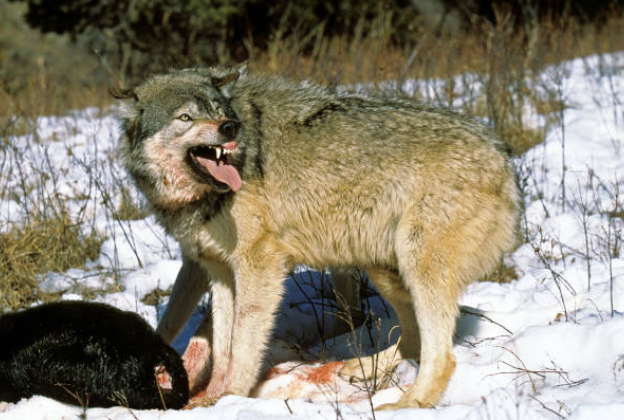
In a bold move to address escalating human-wildlife conflicts in the American Southwest, Arizona U.S. Representative Paul Gosar has introduced legislation aimed at removing the Mexican gray wolf from the protections of the Endangered Species Act (ESA). The bill, titled the “Mexican Wolf Management Act of 2025,” seeks to shift management authority back to state governments, allowing for more flexible control measures in response to growing wolf populations and their impacts on ranching, livestock, and local communities.
Gosar’s proposal comes at a time when wolf reintroduction efforts, initiated in the 1990s, have led to a population rebound—from just seven wolves released in Arizona and New Mexico to over 250 individuals today.
While conservationists celebrate this success, rural stakeholders argue that the protections have gone too far, enabling unchecked expansion that threatens livelihoods and ecosystems. The bill explicitly calls for delisting the subspecies, stating in Section 2(a): “The Secretary shall remove the Mexican gray wolf from the list of endangered and threatened wildlife under section 4(c)(1) of the Endangered Species Act of 1973.” This language underscores the intent to end federal overreach, empowering states like Arizona and New Mexico to implement targeted management strategies, including lethal control where necessary.
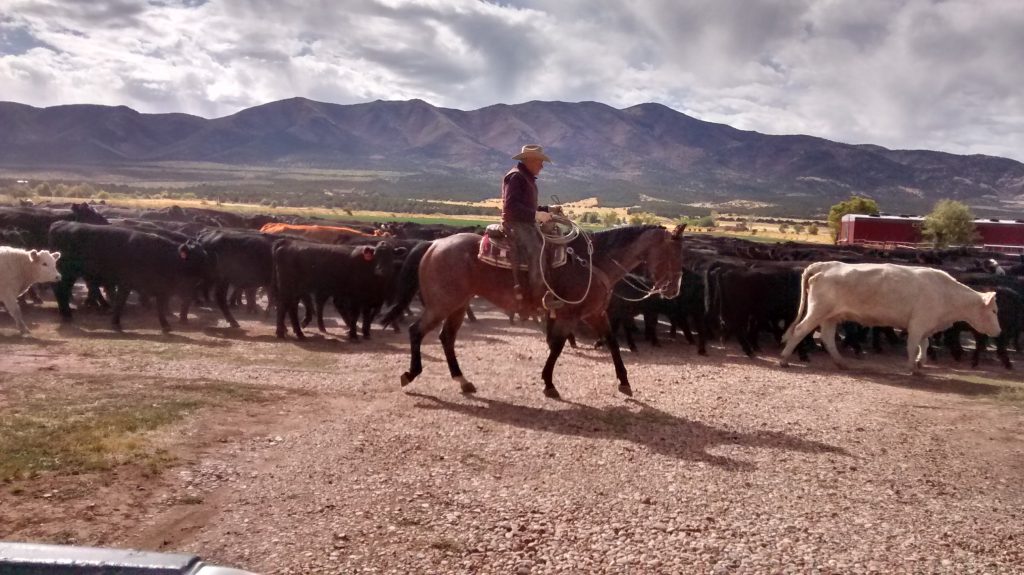
A primary rationale for the legislation is the mounting evidence of wolf depredation on livestock and wildlife, which has imposed severe economic burdens on ranchers. According to U.S. Fish and Wildlife Service (USFWS) reports, verified wolf attacks in Arizona alone resulted in the loss of over 50 head of cattle and sheep in 2024, with similar trends in New Mexico where more than 30 incidents were documented. These numbers, however, are believed to underrepresent the true toll, as many depredations go unconfirmed due to the wolves’ elusive nature. Ranchers in Graham County, Arizona, have reported entire herds decimated, with one family losing 15 calves in a single month to a wolf pack that repeatedly targeted their operations. In New Mexico’s Catron County, sheep producers have faced annual losses exceeding $100,000, forcing some to sell off land or abandon ranching altogether.
Beyond livestock, wolves have preyed on native wildlife, disrupting local ecosystems; studies from the Arizona Game and Fish Department indicate a 20% decline in mule deer populations in wolf-occupied areas, as the predators compete with human hunters and alter prey dynamics.
The bill’s urgency is further highlighted by declarations of “state of emergency” from affected counties, signaling a crisis point in wolf-human interactions. In Arizona, Greenlee and Graham counties issued such proclamations in early 2025, citing wolves’ incursions into ranches, public spaces, and even residential areas near towns like Clifton and Safford. These emergencies were declared after multiple sightings of wolves approaching homes and schools, raising safety concerns for children and pets. Similarly, in New Mexico, Catron and Socorro counties followed suit, with local resolutions describing the wolves as an “imminent threat” to community well-being and economic stability. County officials in Catron, for instance, reported wolves killing pets within village limits and scavenging near highways, exacerbating fears and straining local law enforcement resources.
Compounding these issues is the controversial origin of many wolves in the region. A significant portion of the Mexican gray wolves roaming Arizona and New Mexico trace their lineage to the Sevilleta National Wildlife Refuge in New Mexico, where the USFWS maintains a captive breeding program. At this facility, wolves are hand-reared by humans from a young age, leading to imprinting—a process where the animals become habituated to human presence, scents, and activities. Critics, including wildlife biologists cited in recent audits, argue that this imprinting makes the wolves bolder in the wild, increasing their likelihood of approaching human settlements. Reports from the refuge indicate that up to 40% of released wolves exhibit reduced fear of humans, correlating with higher conflict rates.
One documented case involved a Sevilleta-raised pack entering a Tucson suburb, drawn by garbage and pet food, before being hazed away at great expense. This human-imprinted behavior, proponents of the bill contend, undermines the natural wariness that wild wolves should possess, turning reintroduction successes into public safety liabilities.
Rep. Gosar’s Mexican Wolf Management Act represents a pragmatic response to these intertwined challenges, balancing conservation achievements with the realities faced by Southwestern communities. By delisting the wolves, the legislation would foster collaborative state-federal management, potentially incorporating non-lethal deterrents alongside controlled removals to mitigate depredation without eradicating the species.
In Section 4(b), the bill mandates: “States shall develop wolf management plans that prioritize livestock protection and public safety while maintaining viable populations.” This forward-thinking approach is timely, as wolf numbers continue to grow amid climate pressures and habitat fragmentation. Passing this bill would not only alleviate immediate hardships for ranchers and residents but also ensure sustainable coexistence, honoring the spirit of the ESA by adapting to changed circumstances. With bipartisan support possible from rural districts, Gosar’s initiative offers a vital opportunity to restore balance in the Southwest’s wild landscapes.
Subscribe to RANGE magazine
Call 1-800-RANGE-4-U