
Trump to Pull Biden Public Lands Rule
Trump Administration to Withdraw Biden-Era ‘Public Lands Rule,’ Favoring Ranchers
Todd Neeley
DTN
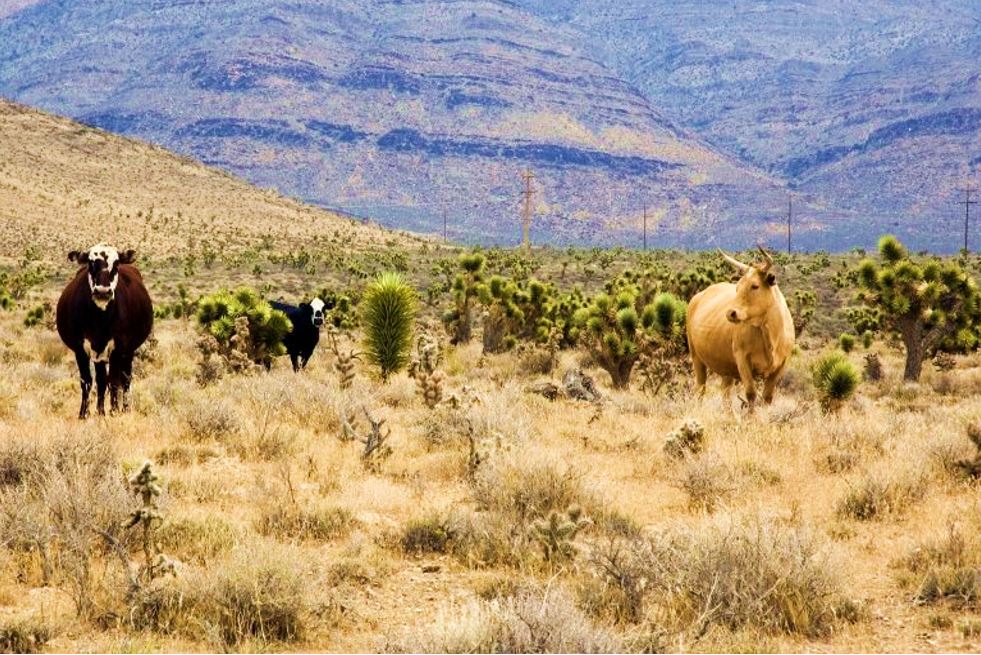
LINCOLN, Neb. (DTN) — The Trump administration announced plans this week to withdraw the Biden-era “Public Lands Rule” that made conservation an official use of public lands, only to treat conservation as a “no use” that left lands idle.
The Bureau of Land Management announced on Wednesday that it is launching a 60-day public comment period on the withdrawal proposal.
The lands rule was an overhaul of how the federal government oversees 245 million acres of federal land, advertised as allowing 10-year conservation leases for grazing, timber harvest, mining, energy production and other uses.
The National Cattlemen’s Beef Association and Public Lands Council challenged the rule in a 2024 lawsuit, alleging the rule violated the multiple-use mandate and would have paved the way for the federal government to “remove family ranching operations and other uses” from these working lands, the groups said in a news release on Wednesday.
That mandate in the Federal Land Policy and Management Act of 1976 requires the agency to manage public lands by allowing diverse uses, including energy development, mining, grazing and other uses, so that no single use dominates public lands.
“The last administration turned their back on ranchers and land conservation when they developed this rule and cut us out of the planning process for lands that we have managed for generations,” Public Lands Council President and rancher Tim Canterbury said in a statement.
“It is well known that public lands grazing supports a healthy ecosystem and reduces the risk of catastrophic wildfires. As permittees, we saw the rule’s clear intent: to remove us from our allotments and turn these lands into an unmanaged, unhealthy, unproductive liability. Ranchers across the West are thankful for the commonsense approach of the Trump administration to delete this rule from federal law and bring certainty back to ranchers and rural communities.”
The Bureau of Land Management said in a new release on Wednesday that the Public Lands Rule “exceeded” the agency’s statutory authority.
“The previous administration’s Public Lands Rule had the potential to block access to hundreds of thousands of acres of multiple-use land — preventing energy and mineral production, timber management, grazing and recreation across the West,” BLM Secretary Doug Burgum said in a statement.
“The most effective caretakers of our federal lands are those whose livelihoods rely on its well-being. Overturning this rule protects our American way of life and gives our communities a voice in the land that they depend on.”




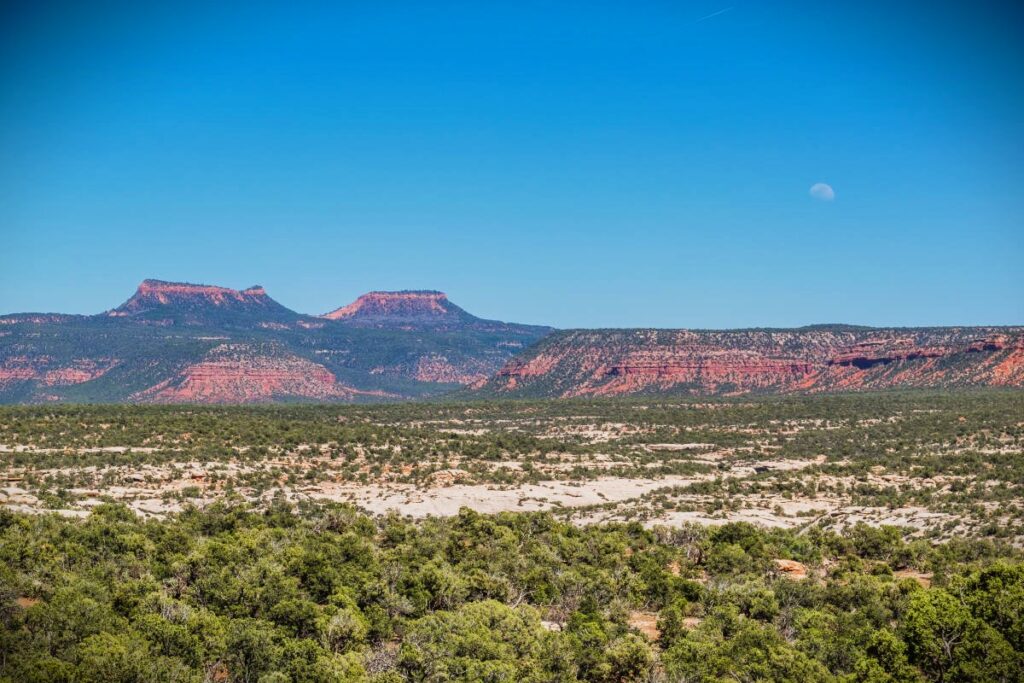
this says it all….https://www.shraboise.com/2010/09/the-mining-law-of-1866/
9/3/2010: The Mining Law of 1866
September 3, 2010
SHRA has spent quite a lot of time in recent months doing work related to the 1866 Mining or Right of Way Act. Among many other things, the law provides perpetual ROWs for uses that existed on public land at the time the land was withdrawn from the public domain. There is a provision of the law that relates to roads, and another that relates to irrigation ditches. The historical questions and policy implications of this law are significant.
In the West today, there are myriad groups fighting over these historic uses, which the federal government is in many cases trying to curb or eliminate (think of the “roadless” debates that have occurred over the past two decades). As far as SHRA’s involvement, our historians have recently been researching the history of roads in national forests and the history of irrigation ditches in designated wilderness areas. In each case, the historical question is when the road or the ditch actually came into existence — was it before or after the government designated the land as a national forest and withdrew it from the public domain? Sounds simple, but of course historical research never is!
The research has taken place in many locations and various archives, making these particularly interesting cases. We have found rich sources in the Bureau of Land Management archives, the Forest Service archives, and most interestingly, in local archives. Just yesterday, I uncovered 3 old photo albums that a 1920s mother made for her son. They had wonderful, old photos of the first airplane — called the “Tin Goose” — to land on one particular backcountry wilderness landing strip in the 1920s. The albums also showed an old miner holding up a gold bullion cube and packing the rest of those nuggets out with his snow dogs. In addition, the photos showed a well-known lake filled almost entirely with logs from the old logging days. We also found old surveys and hand-written notes from the road engineer describing how difficult it had become to design a road up one particular summit, particularly when there was sometimes 12 feet of snow!
These cases have been some of the most interesting for our historians, due in part to the picture we’re getting to paint of settlement and life in these very remote areas of the West. We’ve all read books on the West, but when you read the documents written by the people who were living on the ground and see the photos they took, you can almost feel what it was like for them, and how harsh life really was on a daily basis. The number of these cases in which SHRA is involved is growing rapidly, as this important law becomes a more widely used tool to protect old and historic uses on national lands. Professional historical research has been absolutely critical to our clients because of the important role that the historical facts play in these cases. We can only hope that they’re all as interesting as these have been! https://www.shraboise.com/2010/09/the-mining-law-of-1866/